

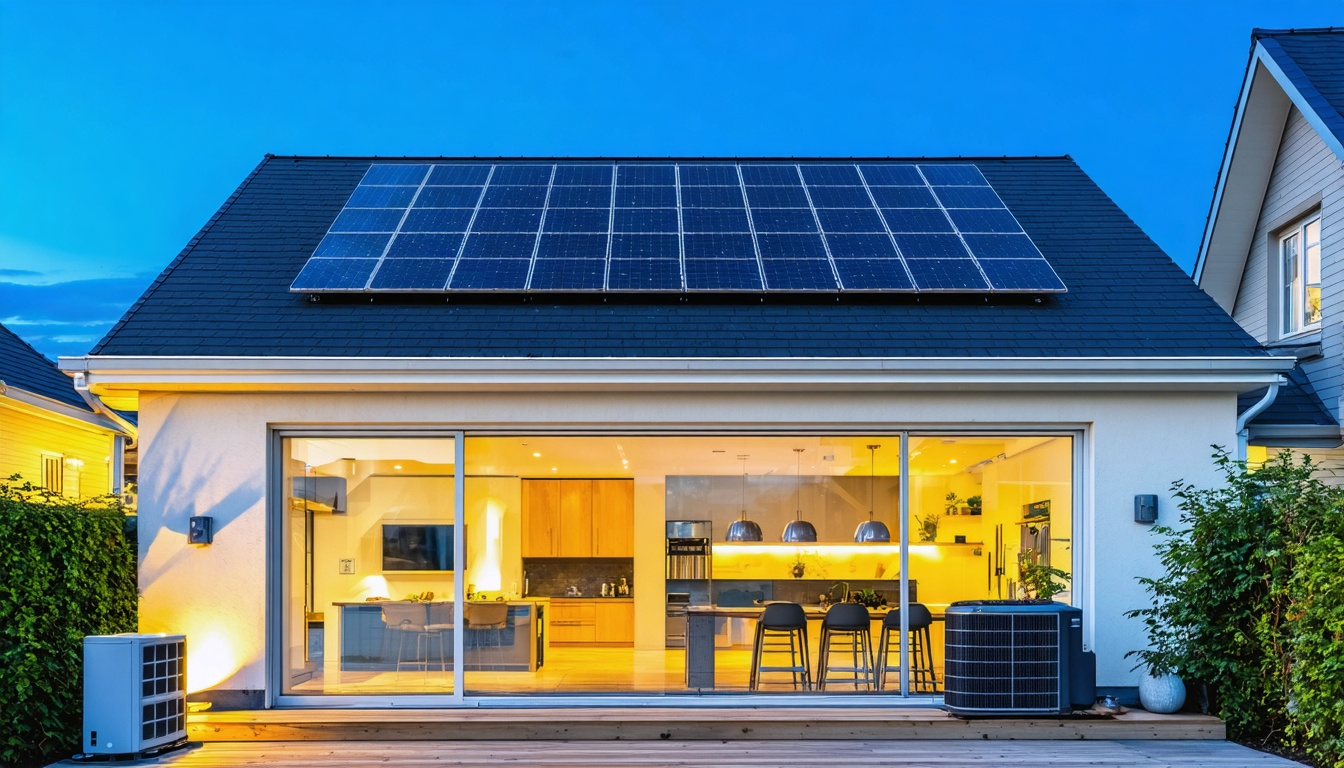
Home Energy Efficiency Improvements That Complement Solar Power
When considering the integration of solar power in your home, it is essential to address energy efficiency improvements. Enhancing your home's energy efficiency through measures such as improving insulation, installing energy-efficient windows, and upgrading appliances can significantly reduce the overall energy consumption. This reduction in electricity needs allows your solar panels to operate more effectively, potentially lowering energy costs and enhancing overall comfort within the home. Focusing on specific home upgrades that can provide the best return on investment or effectiveness is advisable. For instance, higher-quality insulation can minimize heat transfer, leading to reduced heating and cooling demands. Energy-efficient windows, which often feature double or triple glazing, can help maintain indoor temperatures, thereby lessening reliance on HVAC systems. Additionally, upgrading to ENERGY STAR-rated appliances can result in decreased electricity use while maintaining the same level of performance. To begin implementing these improvements, homeowners may consider conducting an energy audit, which can highlight the most critical areas for enhancement. This assessment can provide a clearer picture of where energy is being lost and where upgrades could yield the greatest impact. By addressing these factors before or alongside installing solar panels, homeowners can achieve a more effective and sustainable energy system in their residences.
Understanding the Fundamentals of Solar Energy
Understanding the fundamentals of solar energy is essential for homeowners contemplating efficiency enhancements. Solar energy is a renewable resource that utilizes sunlight to generate electricity or heat for domestic purposes. For those in Palm Bay, Solar Services for Palm Bay Homes can provide tailored solar solutions to complement energy efficiency upgrades.
In Colorado, advancements were made in July 2023, with the installation of 1.6 gigawatts of solar power, ranking the state among the top five in the nation for solar capacity.
The installation of solar panels can lead to reduced energy expenses and may improve living conditions. Furthermore, solar systems can be paired with other energy-efficient upgrades, such as LED lighting and smart thermostats, to optimize overall home efficiency.
Research conducted by the National Renewable Energy Laboratory indicates that integrating solar installations with energy efficiency measures can yield significant cost savings and environmental advantages.
For individuals seeking additional information, resources are available through the Colorado Clean Energy Fund, which includes various case studies and reports on related topics.
Key Advantages of Integrating Solar Power
Integrating solar power with energy efficiency improvements presents a practical approach to managing residential energy consumption. Homeowners can enhance energy savings and comfort by combining solar panel installations with upgrades such as LED lighting and improved insulation.
In Colorado, solar energy deployment has seen significant growth, with approximately 1.6 gigawatts of capacity added in 2023. This integration offers homeowners a means to reduce their electricity bills and decrease their carbon footprint, supporting a transition to cleaner energy sources.
The combination of solar technology and energy efficiency measures forms a cohesive energy management strategy. By utilizing renewable energy alongside energy-efficient practices, homeowners can achieve substantial benefits, not only on an individual level but also for the broader community.
This approach fosters responsible energy use and contributes to a sustainable future.
Essential Energy Efficiency Upgrades for Homes
Investing in energy efficiency upgrades can improve the performance of a home's solar power system while enhancing overall energy management. Important upgrades include transitioning to LED lighting, installing a smart thermostat, and incorporating high-efficiency heat pumps. These measures can lead to notable electricity savings by complementing solar panels, optimizing lighting, and maintaining comfortable indoor environments.
Across Colorado and the United States, there is a growing trend among homeowners to implement these upgrades, utilizing both local and national resources. For example, improving home insulation reduces heat loss, which can lead to substantial energy savings and increased comfort.
To finance these upgrades, homeowners may consider investigating loan programs aimed at supporting energy efficiency projects. Additionally, resources such as InitiativeNEWS offer access to CCEF Project Spotlights, reports, and case studies demonstrating successful applications of energy-efficient strategies.
These tools can provide valuable information for homeowners looking to enhance their energy management systems without resorting to speculation or overly optimistic claims.
The Role of Home Energy Audits
Before proceeding with the installation of solar panels, it is advisable to perform a home energy audit. This audit helps identify energy inefficiencies and determines which upgrades can optimize energy use in a home.
In Colorado and comparable areas, certified auditors use data from established organizations such as the National Renewable Energy Laboratory and the CCEF Project Spotlights Reports. The analysis usually suggests practical improvements, such as installing LED lighting, upgrading heating systems, and enhancing insulation.
Following the recommendations from an energy audit can enhance a home’s energy efficiency and lower electricity consumption.
This ensures that solar panels are adequately sized and installed to address the specific energy demands of the home. Implementing such improvements can lead to potential cost savings and effectively address various residential energy needs in an environmentally responsible manner, contributing to a more comfortable living environment.
How Energy Efficiency Maximizes Solar System Performance
Improving energy efficiency before installing solar panels can enhance the overall performance of a solar energy system. Upgrades such as better insulation, switching to LED lighting, and installing a smart thermostat can lead to a reduction in overall electricity consumption.
This reduction allows homeowners to size their solar systems more accurately, optimizing the capacity needed to meet their energy demands and potentially lowering initial investment costs.
Research from the National Renewable Energy Laboratory indicates that energy-efficient homes require less electricity for heating, cooling, and lighting.
Therefore, integrating energy efficiency measures with solar power adoption is a practical strategy for reducing carbon emissions.
By ensuring that a home operates efficiently, homeowners can achieve energy savings and create a more effective solar energy system, which contributes to the broader goal of transitioning to cleaner energy sources.
Financial Incentives and Support for Homeowners
Homeowners looking to enhance energy efficiency through solar power and related upgrades can access several financial incentives. Programs such as residential loans and the Collective Clean Energy Fund are available to assist with funding these improvements, which may include solar panel installations and energy-efficient lighting solutions.
In Colorado and across the United States, homeowners can take advantage of various financial incentives such as tax credits, rebates, and other support mechanisms. These incentives can substantially reduce the initial investment required for such energy efficiency projects, making them more financially accessible.
It is recommended that homeowners work with qualified contractors, such as SERVE Commercial Residential Contractors, or consult the Clean Energy Fund (CCEF) for comprehensive information on available funding options and benefits.
This approach enables homeowners to better understand the financial support available to them and aids them in making informed decisions regarding their energy efficiency investments.
Steps to Implement Solar and Efficiency Upgrades
The implementation of solar energy and energy efficiency upgrades involves systematic planning and assessment. A residential energy audit is a critical first step, as it helps identify areas where heat loss occurs, highlights inefficient lighting, and points out potential improvements. Homeowners in Colorado and similar areas can reach out to local energy offices to connect with professionals who can provide assistance in finding appropriate loan programs and resources, such as CCEF Project Spotlights and Reports for more strategic guidance.
Before the installation of solar panels, it is advisable to consider energy efficiency upgrades, including the adoption of LED lighting, improving insulation, and the installation of smart thermostats. These upgrades contribute to overall energy efficiency, which can lead to decreased energy consumption and lower costs.
Prioritizing energy efficiency improvements before solar panel installation may reduce the overall initial investment, increase indoor comfort, and assist in achieving broader objectives related to reducing carbon footprints. This methodical approach aids in transitioning to clean electricity while maximizing both financial savings and environmental impact.
Tools and Resources for Sustainable Energy Management
Homeowners interested in improving energy efficiency and implementing solar solutions have access to various credible resources. A certified home energy audit is an important initial step, as it delivers an in-depth assessment of a property's energy consumption and pinpoint areas for potential improvements in efficiency.
In Colorado, residents can connect with the National Renewable Energy Laboratory (NREL), which provides evidence-based strategies for optimizing energy efficiency.
Homeowners can also consider a range of financial options, including residential loan programs and grants such as the Collective Clean Energy Fund (CCEF), which can support upgrades. These upgrades may encompass the installation of LED lighting, improvements to water heating systems, and the installation of solar panels.
Working with qualified contractors who focus on energy efficiency and renewable energy is another method to facilitate these projects. Homeowners can access local contractor directories and organizations dedicated to energy initiatives to find reliable services and incentives.
Utilizing these tools and resources can lead to significant enhancements in energy management and sustainability without overstating their effectiveness.
Commitment to Accessibility and Inclusive Energy Solutions
A commitment to accessibility is important for ensuring that information about energy efficiency and solar power is available to everyone. In Colorado, the Colorado Clean Energy Fund (CCEF) initiative provides resources such as project spotlights, reports, and case studies aimed at facilitating residential improvements and upgrades.
Homeowners interested in solar energy or energy efficiency enhancements can observe notable trends, including the increased adoption of LED lighting, smart thermostats, and upgraded water heaters. These developments contribute to reducing carbon footprints in residential environments.
The success of these initiatives is bolstered by partnerships with various stakeholders, access to loan programs, and ongoing information dissemination through blogs and newsrooms.
These resources are intended to optimize both savings and comfort for homeowners in Colorado. The approach reflects a wider trend towards sustainable energy solutions that are designed to be accessible for all residents, regardless of their varying needs and abilities.
Conclusion
Enhancing your home's energy efficiency is an important aspect of maximizing the benefits of solar power. Effective insulation, window upgrades, and the selection of energy-efficient appliances can lead to notable reductions in energy consumption and costs. Proper insulation minimizes heat loss and gain, which can significantly reduce reliance on heating and cooling systems. Upgraded windows, particularly those that are double or triple glazed, can improve thermal performance and decrease energy usage. Integrating these energy-efficient improvements with a solar power system can create a more effective energy management strategy. By decreasing overall energy demand, homeowners can increase the proportion of their energy needs met by solar, leading to potential savings on utility bills and a smaller carbon footprint. Additionally, energy-efficient upgrades can enhance the overall value of the home. A property with a well-implemented energy efficiency plan and solar energy system may present stronger appeal to future buyers, reflecting a commitment to sustainability. Initiating energy efficiency modifications requires careful consideration of each upgrade's cost-effectiveness and return on investment. Gradual implementation of these changes can yield substantial long-term savings and contribute to a more sustainable lifestyle.